
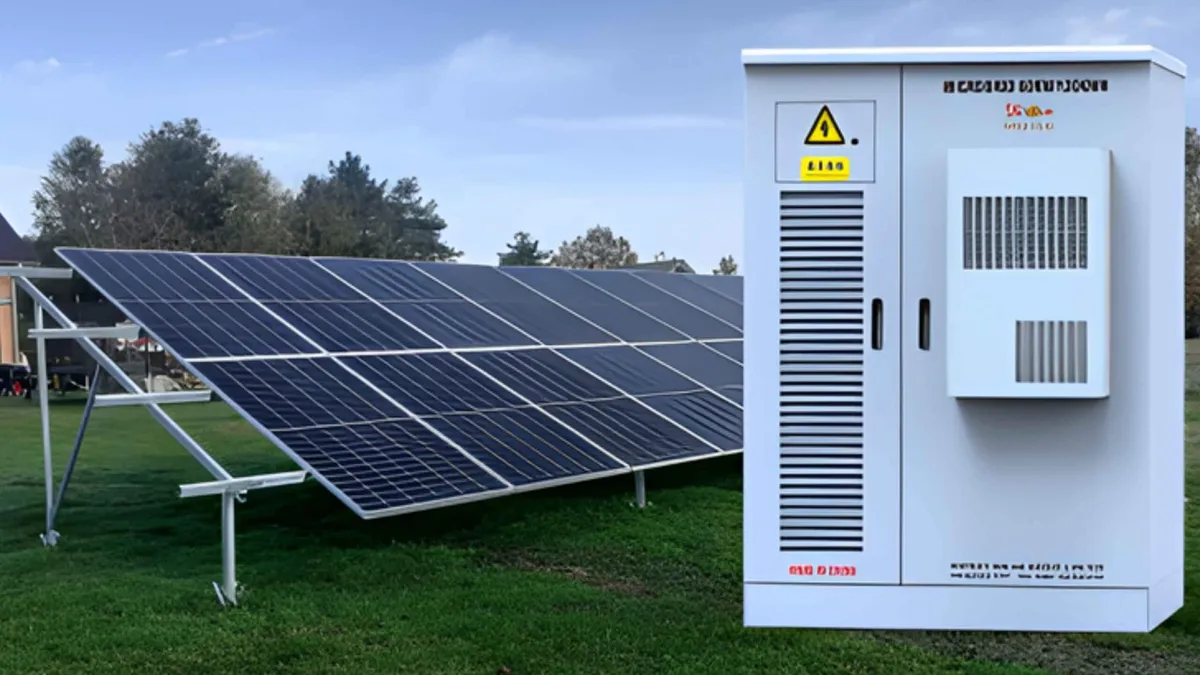
Solar Power Systems for Cashew Processing Factories
Power is the second-largest operating cost in a cashew processing factory after raw material procurement. In African processing countries โ where grid electricity is unreliable and diesel generators fill the gap โ energy accounts for 8โ15% of total processing cost per kilogram of kernel produced. Solar photovoltaic systems directly address this cost structure.
Most cashew-producing regions sit within the tropical and sub-tropical belt where average solar irradiance ranges from 4.5 to 6.5 peak sun hours per day โ among the highest globally. A factory roof in Lagos, Dar es Salaam, or Ho Chi Minh City receives enough energy to offset 60โ100% of daytime electricity consumption from a properly sized solar installation.
Beyond cost savings, solar systems reduce dependency on unreliable grid supply, eliminate diesel genset fuel expenses, and increasingly qualify factories for ESG and sustainability certifications that premium buyers require.
| 8โ15%of processing cost goes to energy in African factories | 4.5โ6.5 hrsaverage peak sun hours in cashew-producing countries | 3โ7 yearstypical payback period for factory solar systems | 25+ yearsoperational lifespan of Tier-1 solar panels |
OUTTURN Cutting Machines and Solar โ A Natural Fit
The cutting stage is where most cashew factories make their biggest energy efficiency decision. OUTTURN cutting machines run on a single 0.75 kW (1 HP) three-phase motor across the entire range โ from 2-head through 12-head configurations. This is the lowest motor load per kg processed of any comparable cutting machine design.
What this means for solar sizing is significant. A typical 5-machine cutting line drawing 5 ร 0.75 kW = 3.75 kW of motor load can be powered from approximately 5 kW of solar PV capacity โ less than 10% of the solar system a full factory requires. Unlike pneumatic peeling compressors (which draw 22โ30 kW each) or electric drying systems (which draw 30โ80 kW thermal equivalent), the cutting stage has the lowest solar payback threshold on the factory floor.
| Processing Stage | Typical Load | Solar Suitability | Payback Priority | OUTTURN? |
| Raw Nut Cleaning & Grading | 3โ5 kW | Direct PV | Medium | โ |
| Steam Cooking / Steaming | 50โ150 kW thermal | Biomass + PV fans | Medium | โ |
| Cutting (OUTTURN machines) | 0.75 kW per machine | Direct PV โ very low load | HIGH | Yes |
| Kernel Drying (Borma) | 30โ80 kW thermal | Solar thermal dryer | Very High | โ |
| Pneumatic Peeling | 22โ30 kW per unit | Direct PV | High | โ |
| Grading & Sorting | 2โ5 kW | Direct PV | Medium | โ |
| Packaging & Vacuum Sealing | 3โ8 kW | Direct PV | Medium | โ |
| Cold Storage | 10โ25 kW (24/7) | PV + battery storage | High | โ |
| Compressed Air | 7โ22 kW | Direct PV | High | โ |
| Lighting & Office | 3โ8 kW | Direct PV | Low | โ |
Key insight: For a factory running 10 OUTTURN cutting machines (a 2,000 kg/hr line), total cutting motor load is just 7.5 kW. The solar panels needed to run the cutting stage cost approximately $8,250โ$11,250 installed โ the fastest-payback section of any solar installation for cashew processing.
Three Solar Technologies That Apply to Cashew Processing
Not every solar application in a cashew factory involves rooftop panels. Three distinct technologies serve different energy needs in the processing chain.
1. Solar Photovoltaic (PV) โ Electricity Generation
The most common and highest-ROI application. Rooftop or ground-mounted solar panels generate electricity to power motors, compressors, blowers, lighting, and packaging equipment. Modern cashew factories draw 50โ150 kW of electrical load; a matching solar PV system costs $0.80โ$1.50/W installed in most African countries.
PV works best for: OUTTURN cutting machines, peeling machines, grading equipment, compressed air, and general factory power. Generates during factory operating hours without storage.
| Typical Size | Payback Period | Best For |
| 30โ200 kW | 3โ6 years | Daytime factory operations |
2. Solar Thermal Drying โ Kernel Drying (Borma)
Kernel drying after shelling is the most energy-intensive step, consuming up to 40% of total factory energy. Conventional borma dryers use wood, gas, or electric heaters. Solar flat-plate collectors or solar tunnel dryers heat air to 50โ70ยฐC โ sufficient for reducing kernel moisture from 9% to the required 3% for peeling.
Hybrid solar-biomass dryers using cashew shell waste as supplementary fuel achieve 80โ90% fossil fuel displacement. Research at Indian processing units shows payback periods of 1.5โ2 years for solar dryer retrofits.
| Drying Temperature | Energy Saving | Payback Period |
| 50โ70ยฐC | 60โ90% | 1.5โ2 years |
3. Solar PV + Battery Storage โ Uninterrupted Operation
For factories in regions with very poor grid reliability โ Nigeria, parts of Tanzania, rural Burkina Faso โ adding lithium iron phosphate (LFP) battery storage ensures continuous production. Batteries store excess solar generation during peak hours and discharge during grid outages or for overnight cold storage.
Battery costs have fallen to $150โ200/kWh installed in 2025 for African projects. A 4-hour buffer for a 5-ton factory typically requires 80โ120 kWh of storage โ adding $15,000โ$24,000 to system cost but eliminating diesel dependency entirely.
| Battery Life | Diesel Displaced | Cost per kWh (2025) |
| 10โ15 years | 80โ100% | $150โ200 installed |
Solar System Sizing by Factory Capacity
The solar system you need depends directly on your daily processing capacity and automation level. The benchmarks below are from real installations and assume single-shift (8โ10 hour) daytime operation without battery storage โ the most cost-effective configuration.
| Factory Capacity | Electrical Load | Monthly kWh | Solar PV Size | Roof Area | Approx. Cost (Africa) |
| 1 ton/day (manual/semi-auto) | 15โ25 kW | 3,000โ5,000 | 20โ30 kW | 130โ200 mยฒ | $18,000โ$36,000 |
| 2 tons/day (semi-auto) | 25โ45 kW | 5,000โ9,000 | 35โ55 kW | 230โ360 mยฒ | $32,000โ$66,000 |
| 5 tons/day (automatic) | 60โ100 kW | 12,000โ20,000 | 75โ120 kW | 490โ780 mยฒ | $68,000โ$144,000 |
| 10 tons/day (fully automatic) | 100โ180 kW | 20,000โ36,000 | 130โ220 kW | 845โ1,430 mยฒ | $120,000โ$264,000 |
| 20 tons/day (large-scale) | 200โ350 kW | 40,000โ70,000 | 260โ420 kW | 1,690โ2,730 mยฒ | $234,000โ$500,000 |
Note: These are PV-only costs. Add 20โ40% for battery storage if required. Nigeria and Burkina Faso trend higher due to import logistics. Tanzania and Mozambique offer VAT exemptions on solar equipment, reducing costs. Vietnam and India have the lowest installation costs due to local manufacturing.
Solar Conditions by Country
Solar feasibility varies significantly between cashew-processing countries. Grid reliability, electricity tariffs, diesel costs, import duties on solar equipment, and average irradiance all affect the business case.
| Country | Sun Hrs/Day | Grid Tariff | Diesel Price | Grid Reliability | Solar Duty | True Power Cost | Payback |
| Nigeria | 5.0โ5.8 | $0.05โ$0.12 | $0.90โ$1.40/L | 4โ8 hrs/day avg | 5% + VAT | $0.25โ$0.40/kWh | 3โ5 years |
| Tanzania | 5.2โ6.0 | $0.08โ$0.14 | $1.10โ$1.50/L | Moderate (urban) | VAT Exempt | $0.12โ$0.22/kWh | 4โ6 years |
| Ghana | 4.5โ5.5 | $0.10โ$0.18 | $1.00โ$1.35/L | Good (urban) | Duty-Free | $0.12โ$0.20/kWh | 4โ7 years |
| Burkina Faso | 5.5โ6.5 | $0.18โ$0.25 | $1.30โ$1.70/L | Poor (rural) | 2.5% (WAEMU) | $0.28โ$0.45/kWh | 3โ4 years |
| Cote d’Ivoire | 4.8โ5.6 | $0.12โ$0.20 | $1.10โ$1.50/L | Moderate | 2.5% (WAEMU) | $0.15โ$0.28/kWh | 3.5โ5 years |
| Mozambique | 5.0โ6.0 | $0.07โ$0.12 | $1.20โ$1.60/L | PoorโModerate | Exempt | $0.18โ$0.35/kWh | 3.5โ5.5 years |
| Vietnam | 4.5โ5.5 | $0.07โ$0.10 | $0.80โ$1.10/L | Good | Low | $0.08โ$0.12/kWh | 6โ9 years |
| India | 5.0โ6.0 | $0.06โ$0.09 | $0.90โ$1.20/L | GoodโExcellent | LowโSubsidised | $0.07โ$0.11/kWh | 5โ8 years |
How to Implement Solar in Your Cashew Factory
A systematic approach to solar procurement reduces risk and maximises return. Follow these six steps regardless of country or factory size.
STEP 1 Conduct a Detailed Energy Audit
Measure actual load on each machine over 5โ7 days using a clamp meter or energy logger. Record peak demand, average demand, and hours of operation per machine. For OUTTURN cutting lines, this is straightforward โ each machine draws a fixed 0.75 kW regardless of head count, so a 10-machine line draws exactly 7.5 kW. This gives you real monthly kWh data that sizing formulas require.
STEP 2 Determine System Type
Choose between: grid-tied only โ cheapest, best ROI for factories with reliable grid access; hybrid (grid + solar + battery) โ recommended for most African factories; off-grid (solar + battery + diesel backup) โ for sites more than 5 km from grid. Most cashew factories in West and East Africa benefit most from hybrid systems.
STEP 3 Get Competing Quotations
Request proposals from at least 3 local EPC (Engineering, Procurement, Construction) contractors. Specify panel brand tier (Tier 1: LONGi, JA Solar, Canadian Solar), inverter brand (SMA, Huawei, Growatt), and warranty requirements: 25-year panel power warranty and 10-year inverter warranty minimum.
STEP 4 Check Local Incentives
Before signing contracts, verify available exemptions on solar equipment imports through your country’s revenue authority. Tanzania, Ghana, Mozambique, and WAEMU countries offer significant duty and VAT exemptions that reduce system costs by 15โ30%. Nigeria offers periodic duty waivers worth monitoring. Some countries also offer accelerated depreciation on solar investment.
STEP 5 Installation and Commissioning
Typical installation timeline: 3โ6 weeks for systems under 100 kW. Ensure the EPC performs a commissioning test with your factory running at full load โ including all OUTTURN cutting machines and peeling compressors running simultaneously. Verify all safety certifications and grid connection permits before signing off.
STEP 6 Monitoring and Maintenance
All modern inverters include remote monitoring via app or web portal. Set up automated alerts for underperformance. Annual maintenance: clean panels (especially during dusty harmattan season in West Africa), inspect wiring connections, check inverter cooling vents. Budget $0.01โ$0.02/W per year for maintenance. A 100 kW system: approximately $1,000โ$2,000/year.
Frequently Asked Questions
Plan Solar Energy for Your Cashew Factory
OUTTURN’s low-load cutting machines make the cutting stage the easiest part of your factory to solar-power. Contact us to discuss how a full cutting line specification โ including total electrical load calculations โ fits into your solar system design.
